
Recent events across Europe underline the importance of keeping security and business continuity plans responsive to changing conditions.
From public demonstrations in France to wider concerns around infrastructure security, organisations may need to adjust travel arrangements, site access and operational plans as local conditions change.
These developments have different causes and require different responses. The practical starting point is to understand actual exposure, keep people informed and maintain workable contingency arrangements.
01 / FRANCE
Public demonstrations. Local consequences.
On 17th October, demonstrations over living costs and public services took place across France. Hundreds of thousands marched peacefully, while smaller groups carried out violence and property damage in several cities. Peaceful participation and criminal acts should be distinguished when assessing the situation.
By 23 October, Reuters reported preparations for further demonstrations on 24 October, alongside museum closures and disruption to cultural events in Paris. These developments illustrate how public-order concerns can affect ordinary commercial and visitor activity.
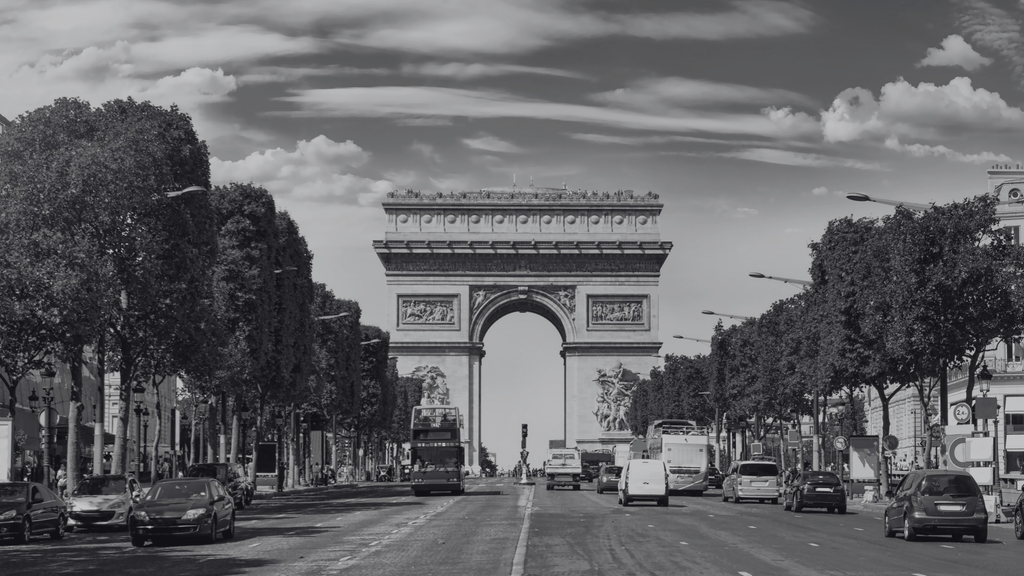
For an organisation, the relevant question is where its people and commitments intersect with affected areas. An office may remain accessible while the route to it becomes unsuitable. A venue may close, a meeting may move, or employees may need different travel arrangements.
Conditions should be assessed locally. A demonstration in one district does not establish the same level of risk across an entire city or country.
02 / WIDER EUROPEAN SECURITY
A separate challenge for infrastructure.
NATO’s Hybrid Symposium on 15–16 October examined sabotage, drone incidents and cyberattacks, with particular attention to critical infrastructure and cooperation with the private sector.
On 20–21 October, NATO’s Critical Undersea Infrastructure Network also met with operators and partner representatives to discuss information sharing, operational coordination and response capabilities.
These security concerns are distinct from public protest. They are considered here because organisations also depend on systems beyond their direct control, including communications, energy and transport.
The planning implications will vary. An organisation arranging executive travel may prioritise reliable transport and alternative routes. A business operating across several locations may need to consider how a communications failure would affect coordination. An operator dependent on a particular port or supplier may need to review alternative arrangements.
The response should match the organisation’s exposure, location and activities.
03 / OPERATIONAL IMPLICATIONS
Where disruption reaches the organisation.
Understanding exposure means looking beyond the immediate incident to the people, movements and services that support daily operations.
01 / People
Staff need timely information, a clear point of contact and a practical way to raise concerns. Briefings should explain what has changed and what action is required. Instructions should also account for visitors, contractors and colleagues unfamiliar with the local environment.
03 / Premises
Check visitor arrangements, deliveries and staff access. Establish who can alter working arrangements if nearby activity affects safe entry or departure. Where several organisations share a building, confirm how updates and decisions will be communicated between them.
02 / Movement
Review the whole journey: accommodation, transport, arrival and departure. Confirm access with venues and operators, and identify alternatives before they are needed. A destination remaining open does not necessarily mean the original route or transport arrangements remain suitable.
04 / Continuity
Consider what can continue remotely, what requires physical attendance and which activities can be deferred. Identify the services and suppliers most important to delivery, together with realistic alternatives if they become unavailable.
Indirect disruption can matter as much as a direct incident. Delays may interrupt handovers, deliveries or appointments, while unclear communication can leave staff making inconsistent decisions.
04 / PRACTICAL PREPAREDNESS
Turn awareness into a workable plan.
Awareness becomes useful when it informs clear decisions. Organisations should consider the following steps in relation to their own activities and locations.
Use verified information
Monitor official local updates, travel advice and transport operators. Check when information was published and whether it applies to the relevant location. Confirm the context of images and social-media reports before using them to make operational decisions.
Brief people before movement
Confirm meeting points, contacts, access arrangements and the procedure if a route or destination becomes unavailable. Ensure those travelling know where to obtain updates and whom to contact if plans change.
Assign decision-making responsibility
Make clear who can change an itinerary, postpone an activity or activate alternative working arrangements. Agree how those decisions will reach employees, contractors, visitors and other affected parties.
Test the alternatives
Check that contact numbers work and that alternative transport, accommodation or working options are realistic. A contingency should be available and understood by the people expected to use it.
Review as conditions change
Set review points before key journeys or commitments. Update arrangements when relevant information changes, and make sure everyone is working from the latest version of the plan.
FCDO advice for France notes that industrial action can disrupt roads and public transport and that demonstrations can occur with little warning. Travellers should check operators’ advice and follow instructions from local authorities.
05 / GREYEDGE PERSPECTIVE
Preparation that supports the operation.
A useful security plan helps people continue their activities with clear information and realistic options. Measures should reflect the specific person, site, journey or event, with responsibilities agreed in advance.
The priority is to connect current awareness with practical decisions: where people will be, what they depend on and how plans will adapt if conditions change.
Preparation should reduce uncertainty, support proportionate decisions and preserve the ability to respond as circumstances develop.
Prepared. Precise. Proven.
For a confidential discussion about security planning, travel security or risk management, contact Greyedge Protection.
Email: enquiries@greyedgeprotection.com
Website: greyedgeprotection.com
GREYEDGE PROTECTION
Dedicated protection for the person moving through the event.
Greyedge Protection provides discreet, intelligence-led close protection for individuals and teams attending events across the UK. We work alongside organisers, venues and existing security providers without disrupting the purpose of the appearance.
Sources and further reading
- Reuters — Mass protests in France spiral into worst riots in years, 17 October 2026
- Reuters — France mounts major security operation for fresh wave of protests, 23 October 2026
- NATO — Allies and partners meet in Bucharest to strengthen response to Russia’s hybrid activities, 19 October 2026
- NATO — Critical Undersea Infrastructure Network focuses on delivering security, 21 October 2026
- FCDO — France travel advice: safety and security
News context checked on 23 October 2026. Conditions and official advice may change.